

India doesn’t enter the eyes. It gets under your skin. Those who go for the first time often return with a question on their minds: “How did I manage to live without it?” And those who return already know that a lifetime won’t be enough to discover it all. In recent years, however, something has changed in the way Italian travellers approach this extraordinary subcontinent. One no longer seeks just the Taj Mahal or the palaces of Rajasthan. One seeks connection. One seeks authenticity. One seeks an experience that remains, not just a photo album.
And today’s Viaggi Organizzati in India know it well.
The new Italian traveller: more aware, more curious
The Italian tourist heading to India in 2026 is no longer the same as twenty years ago. He is more informed, more demanding, more attentive to detail. He wants to understand, not just see. He wants to savour, not just photograph. He wants to come back home with a story to tell, not just a souvenir.
This transformation reflects a global trend: the journey as personal growth, as an open-mindedness, as a true encounter with the other. And India, with its millennia-old complexity, is the perfect ground for this type of exploration.
Viaggi Organizzati in India have adapted to this new demand. They are no longer just simple tourist itineraries, but curated paths designed for those who want to go beyond the surface. Well-prepared local guides, meetings with communities, immersive experiences: everything is designed to foster an authentic connection with the territory.
What do Italians really look for when choosing a group tour?
Authenticity, not spectacle
No one wants the pre-packaged “India package” anymore. Today’s Italian travellers seek genuine experiences: a meal cooked by a local family, a religious ceremony experienced from the inside, a craft workshop where you can learn an ancient technique. They want to smell the spices in the market, not just see them in photos.
Read More: Mount Everest Sightseeing Flight in Nepal: A Journey to the Top of the World
A cultural tour organised today must know how to balance the great classics (Delhi, Agra, Jaipur) with out-of-the-box experiences: a meeting with a Buddhist monk in Ladakh, a yoga lesson in an ashram in Kerala, a nighttime walk among the ghats of Varanasi accompanied by a local guide.
Safety and organization, without sacrificing freedom
India can be intimidating, especially for those going for the first time. The chaos of the cities, the cultural differences, the logistical management: these are all factors that can generate anxiety. That’s why Organised Trips to India remain a preferred choice for many Italians.
But be careful: it’s no longer about following a group like sheep. Modern tours offer structure and security, but leave room for individual exploration. Free time to get lost in a bazaar, the possibility to customise some stops, guides available but not intrusive. Freedom is a value that Italians do not negotiate, not even on an organised trip.
Sustainability and respect
The Italian traveller is increasingly attentive to the impact of their journey. They want to know if the tour operator collaborates with local entities, if they respect the environment, if they contribute positively to the communities visited. An organised cultural tour that ignores these aspects risks appearing outdated and out of place.
Choosing a sustainable trip is no longer an option: it is a necessity. And India, with its fragilities and its resources, is the perfect place to put this approach into practice.
Why group tours still work in India
There’s a hard-to-die prejudice: the group tour is for those who don’t know how to travel alone. Nothing could be further from the truth. Especially in India, a well-organised group tour is an intelligent choice, not a compromise.
Concrete Advantages
- Managed logistics: domestic flights, transfers, hotels, special permits (like for certain areas of Ladakh or the North-East) are all included. No stress, no surprises.
- Expert guides: A local guide who speaks Italian is not a luxury; it’s a cultural bridge. He explains what you see, helps you interpret, and avoids gaffes.
- Safety: especially for women travelling alone or for those who are experiencing Asia for the first time, the group offers a natural safety net.
- Sharing: Travelling in a group means sharing emotions, doubts, and discoveries. And often, friendships that last over time are born.
But not all tours are the same.
The difference is in the details. A well-organised cultural tour doesn’t just take you to famous places: it makes you understand why those places are important. It doesn’t just let you taste the food: it tells you the story behind each dish. It doesn’t just make you meet people: it teaches you to do it with respect.
The destinations that Italians don’t want to miss
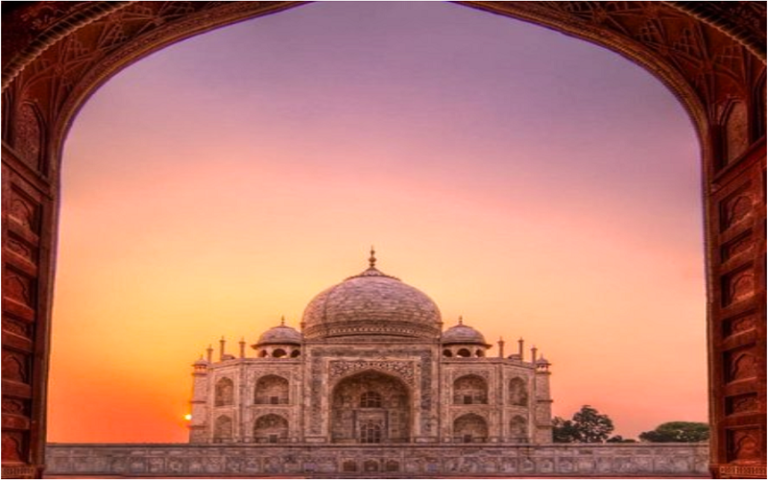
The timeless classic remains. Delhi with its contrasts, Agra with the Taj Mahal, Jaipur with its pink palaces. But even here, the more advanced tours add experiences: a dinner in a historic haveli, a block printing workshop, a visit to a social project.
Varanasi and the Ganges
For many Italians, Varanasi is the spiritual heart of India. Attending the evening ceremony on the ghats, taking a boat ride at dawn, strolling through the alleys of the old town: they are moments that leave a mark.
Rajasthan
The palaces, the forts, the deserts. Rajasthan remains a magnet. But today’s travellers also seek out hidden villages, folk festivals, and tribal traditions.
Kerala
For those seeking a slow pace, nature, and wellness. The backwaters, the tea plantations, Ayurveda: Kerala is the perfect destination for those who want a sweeter India.
Ladakh
For adventurers. Ladakh requires preparation, but it rewards with landscapes that seem from another planet. An organised cultural tour in this area must include meetings with local communities, visits to monasteries, and respect for the fragile environment.
How to choose the right tour for you
There is no absolutely perfect tour. There is a perfect tour for you. Here are some questions to ask yourself before booking:
Read More: Jeep Rental Service in Nepal
- What kind of experience am I looking for? Cultural, spiritual, adventure, relaxation?
- How much time do I have available? A 10-day tour is different from a 20-day one.
- What is my level of comfort? Some prefer charming hotels, while others settle for simple but authentic accommodations.
- Travelling alone or with company? Some tours are designed for singles, others for couples or families.
- What values do I want the tour to respect? Sustainability, social impact, cultural respect.
A good Organised Travel in India should be able to answer all these questions before you even ask them.
FAQ – Frequently Asked Questions about Group Tours in India
1. Is it safe to travel in India with an organised tour?
Yes, especially for those who are travelling for the first time. Organised tours handle logistics, transfers, and unforeseen situations, reducing risks. Local guides know the area and know how to move around safely.
2. What is the best time for a tour in India?
It depends on the area. In general, October to March is the ideal period for most of the country, with dry weather and pleasant temperatures. The north (Ladakh, Himalaya) is visitable from May to September.
3. A cultural tour organised is also suitable for those travelling alone?
Absolutely yes. Many Italians choose group tours precisely to travel safely and share the experience with other travellers. Often, lasting friendships are formed.
4. How much time is needed for a first trip to India?
For a first approach, 12-15 days are ideal. They allow you to see the Golden Triangle and add one or two regions (e.g., Varanasi or Kerala) without rushing too much.
5. Do Organised Tours in India leave room for free time?
Well-organised tours do. They include guided tour moments, but also free hours to explore independently, go shopping, or simply get lost in a bazaar. Flexibility is essential.
India is waiting just for you
In the end, the choice between an organised cultural tour or organised travel in India depends on you. From what you are looking for. From how much you want to put yourself on the line.
But one thing is certain: India will not leave you indifferent. It will shake you, confuse you, make you fall in love. And when you return, you will already know that it is not over. Because India is not a place to visit. You live it. And once you’ve lived it, a part of you remains there, among the spices of a market, the sound of a bell in a temple, the smile of a child who doesn’t speak your language but looks at you as if they have known you forever.









+ There are no comments
Add yours